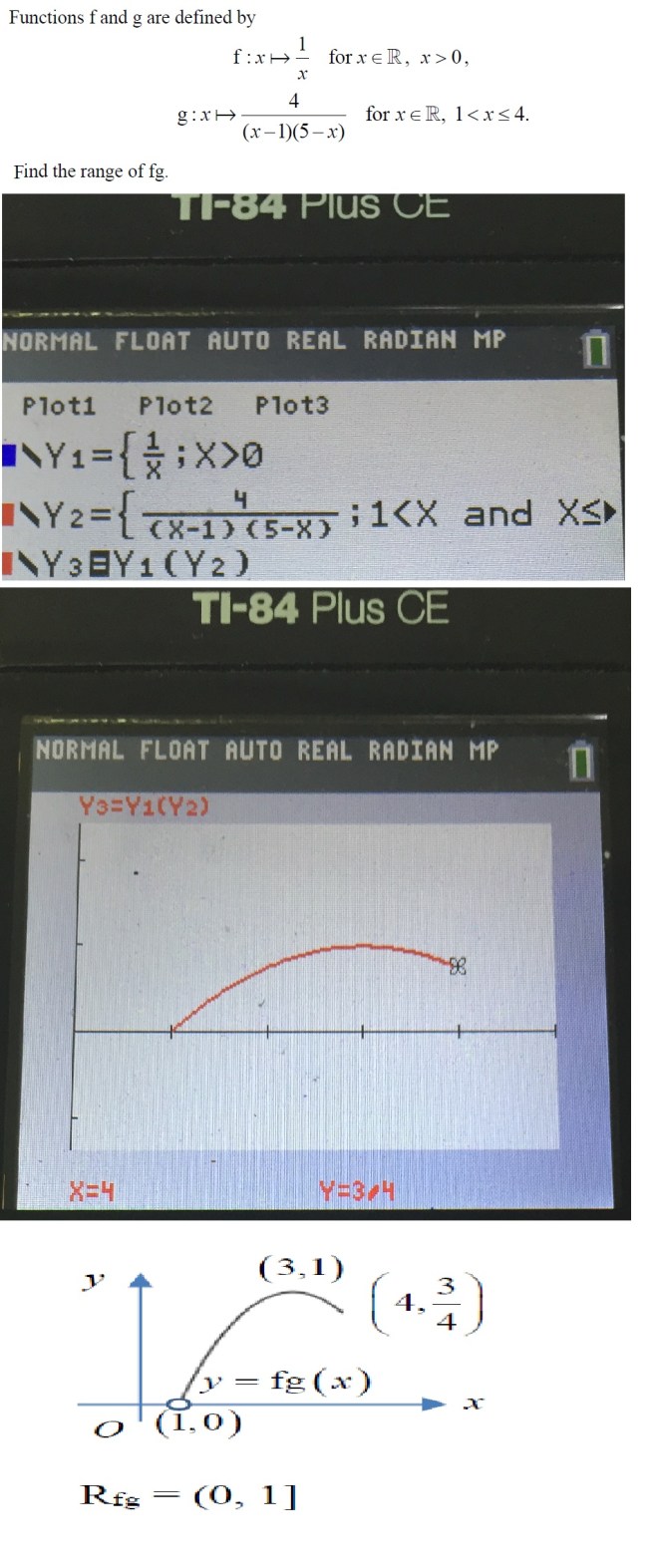
Finding range of composite functions using GC
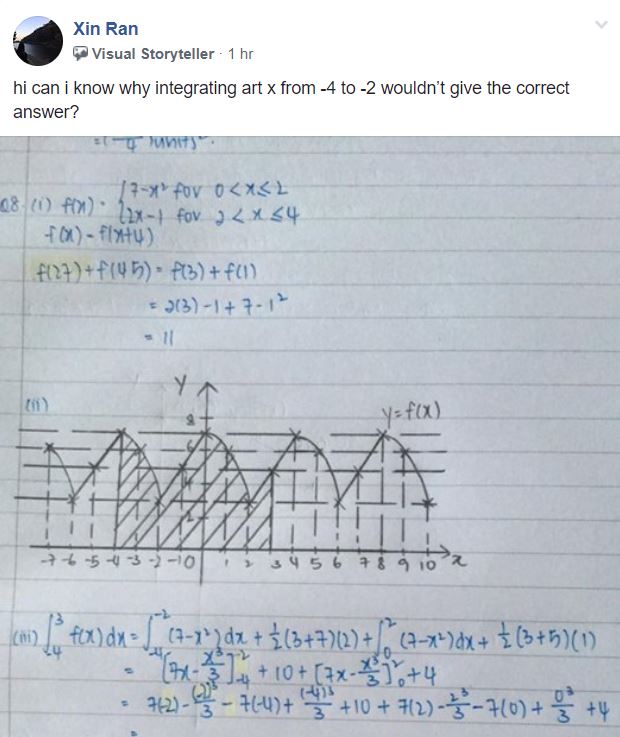
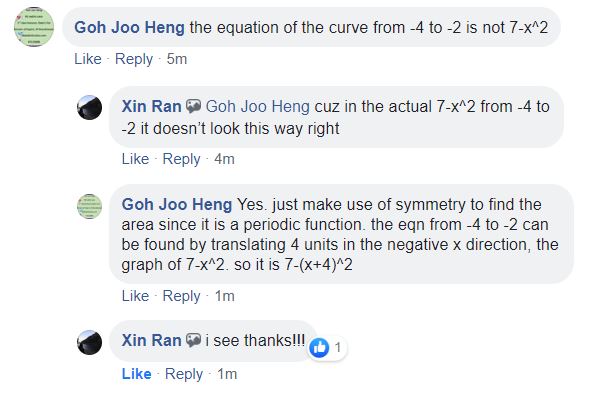
Many students commented that 2018 alevel is very difficult. There are many non-routine questions that require students to think on their feet.
Trends from 2017 and 2018 alevel:
Recommended Learning to familiarize
Drilling ten year series is no longer enough to get A in alevel. Students need to think on their feet to solve non-routine questions. To train their problem solving skills, students should train to solve non-routine questions. If they are stuck on a problem, do not look at the solution immediately. Sleep over it. Let the subconscious work on it. Give yourself two days to solve a problem. After that, if still stuck, can glance at the solution for hints. Once understand how to do, close the solution and solve the question. And then try a similar problem. Problem solving skills and speed will improve and eventually students can solve non-routine questions in exams.
Don’t have to worry about the paper getting more difficult. The grade boundaries for A will be lowered accordingly. Easy paper requires 75 to 80 to get A. In 2018, the grade required to get A is lowered to around 72. % of students getting A remains the same about 1 in 2. To get A, students need to make sure they are in the better half of the whole cohort taking the national exams.
A good way to predict grades is percentile. For example, since about 68% of VJC students get A in alevel, if a VJC student get above 32 percentile in major school exams, that student is on track for alevel distinction. So if student is below that “A percentile”, work hard and/or get a tutor to improve to be on track for alevel distinction.
Example
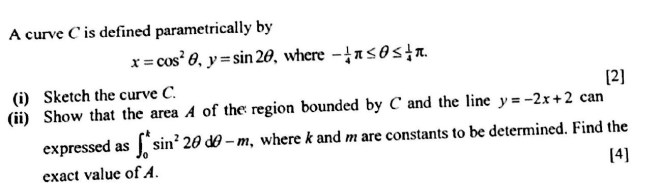
Suppose we want to sketch the curve C and the line y=-2x+2 on the same graph
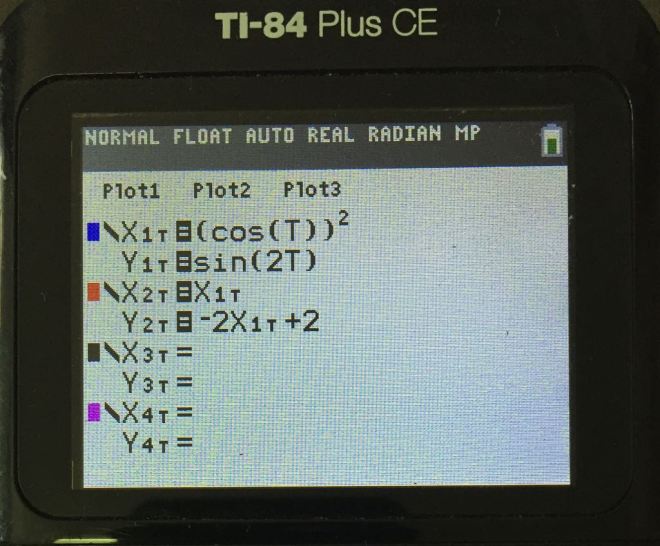
Note how the line y-2x+2 is entered.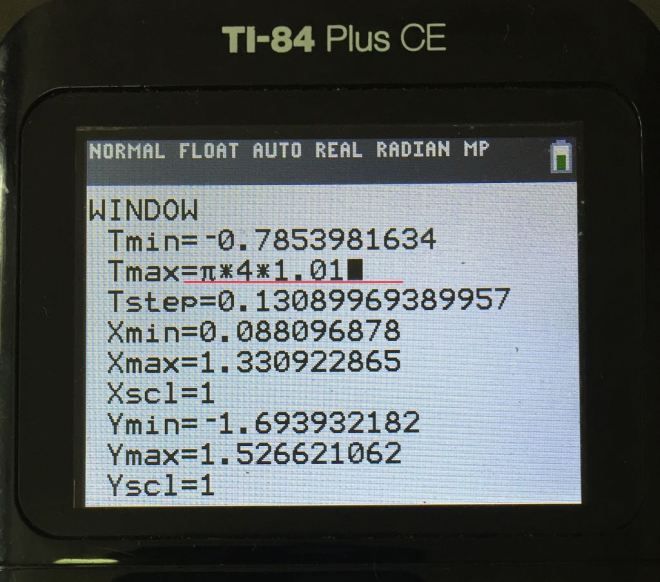
Adjust the Tmax to 1% more so the graph displays correctly.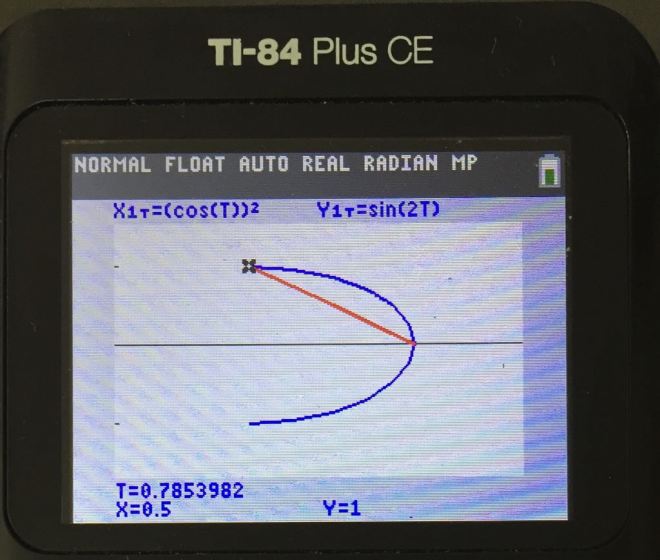
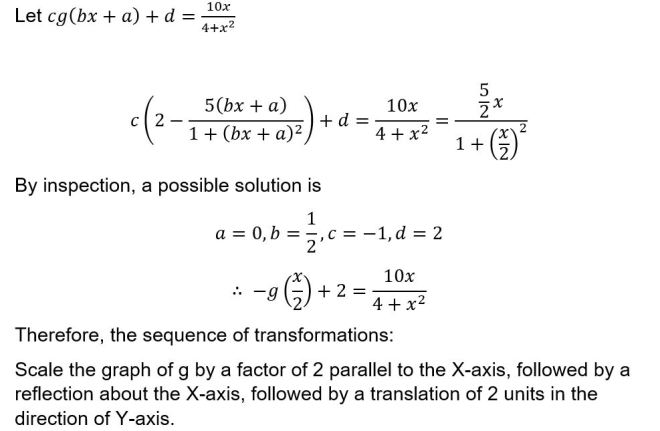
Usually the sequence of transformation can be found by the replacement method. However, it can be tough to find the replacement for complicated functions. For such cases, we can use the general linear transformation c f(bx+a)+d to find the sequence.
cf(bx+a)+d = Translate by a units in the negative X direction, then scale by a factor of 1/b parallel to the X-axis, then scale by a factor of c parallel to the Y-axis, then translate by d units in the positive Y direction.
Example
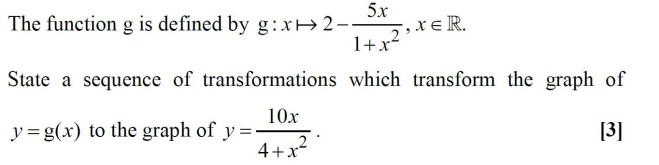
Solution

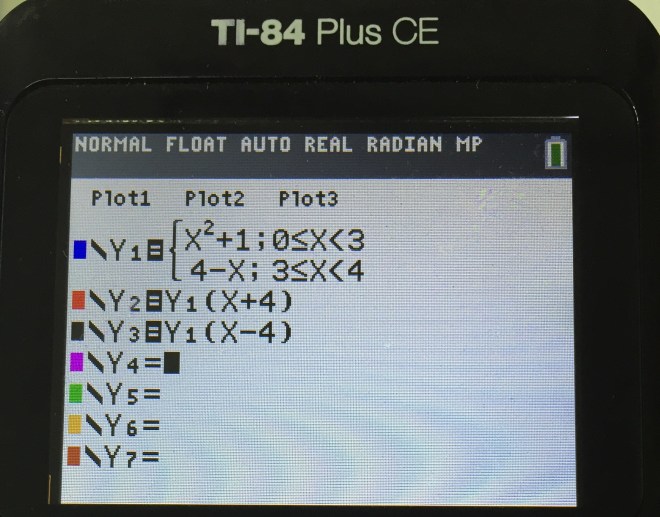
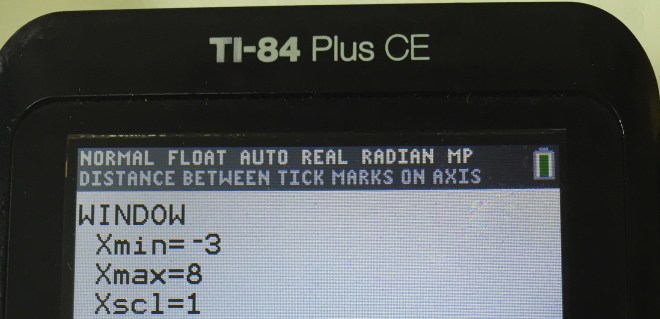
Suppose we want to sketch the graph from -3 to 8.
2. Adjust the window setting to the required domain.
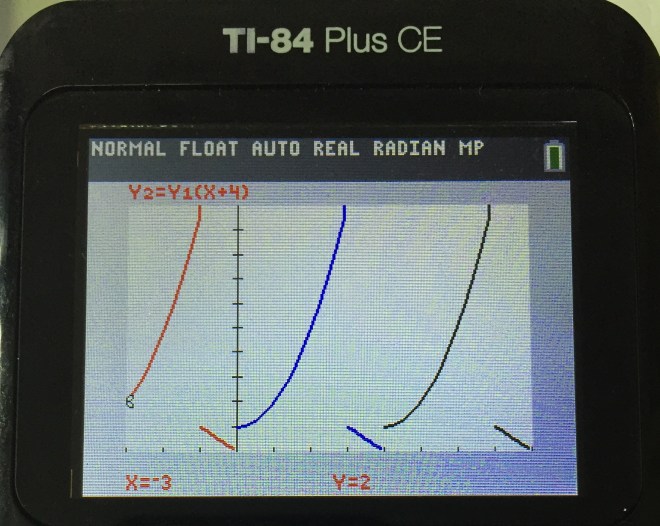
3. Trace the end point at -3 since it is not 1 complete cycle.

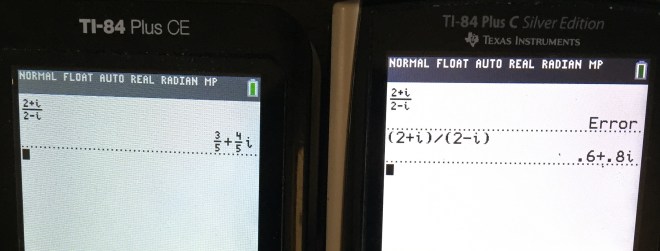
The following comparison are based on
TI 84 CE: Operating system 5.3.0
TI 84 Plus C: Operating system 4.2
Singapore Approved Operating System
.

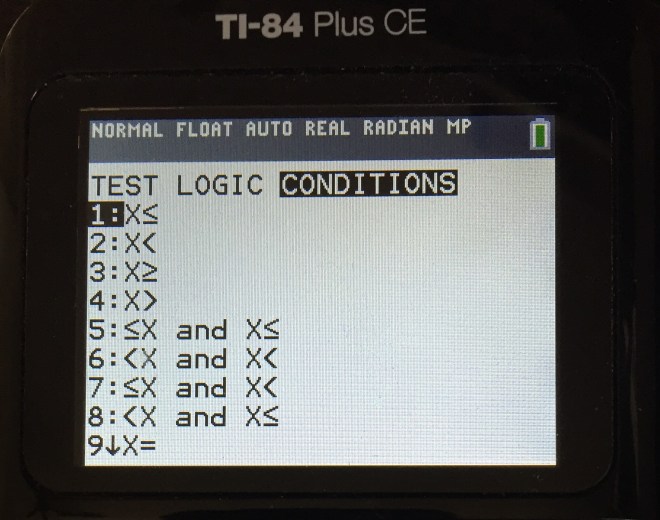
New CONDITIONS submenu in “2nd test” allows faster entry of intervals for the piecewise functions


Conclusion
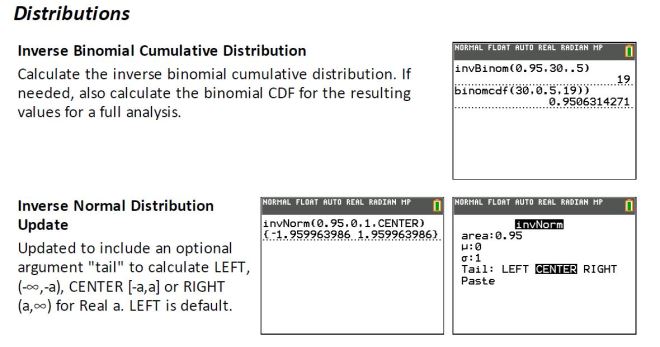
There are no major functional differences between TI 84 Plus CE and TI 84 Plus C. For piecewise functions, students should learn how to sketch manually without using the GC.
 JC A Level H2 Math Tuition Singapore
You must be logged in to post a comment.