Distinguish X1+X2 from 2X

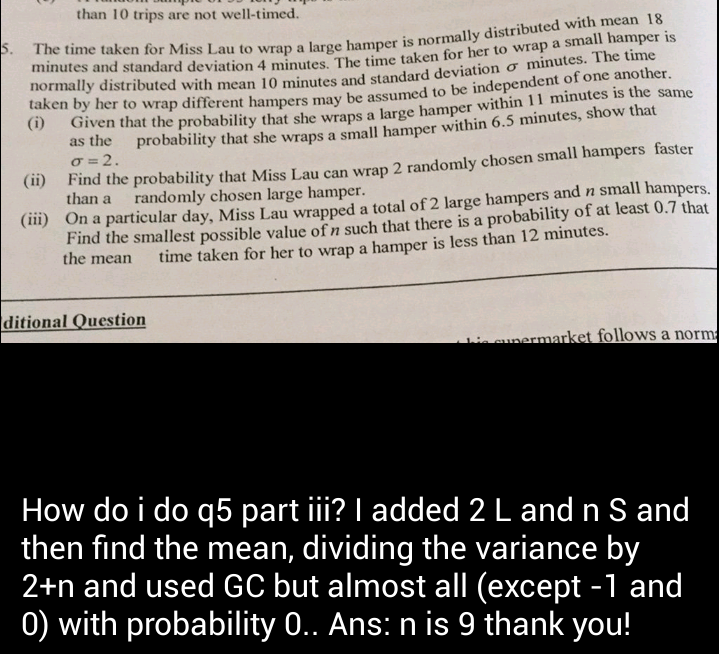
This challenging question on normal distribution was posted in Edusnap by a student.

Screenshot_2015-05-27-13-52-49

There were two mistakes made:

1) Interpreting the distribution of 2 large hampers and n small hampers as 2L + nS.

2) Calculation of variance

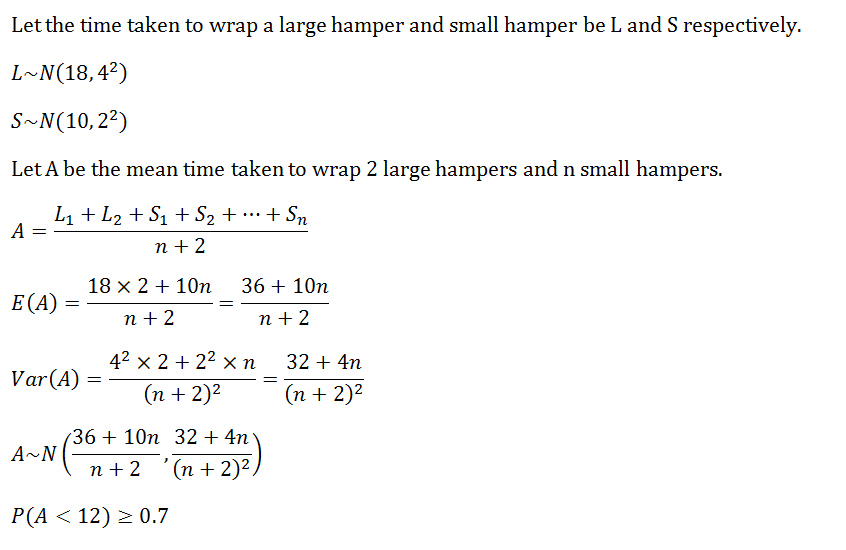
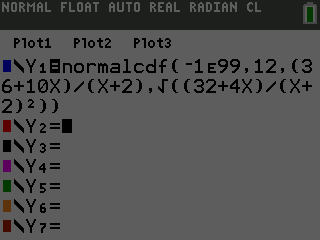
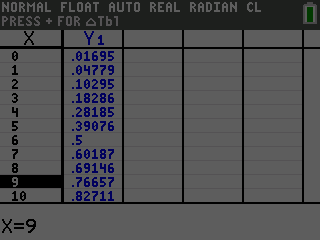
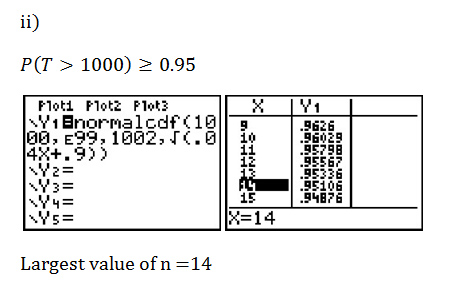
Here is the correct solution:

hamper

1

2

Smallest possible value of n = 9

————————-

When the question mentions n items, the distribution is X1+X2+…Xn.  When the question asks for “n times of a randomly chosen..”, then the distribution is nX.

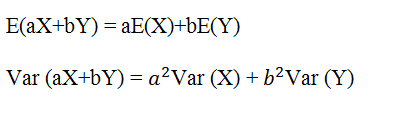
Students also need to be familiar with calculating the expectation and variance of the sum or difference of normal distribution using the formula:

form

Challenging Probability problem 5

An unbiased die is thrown 6 times. Calculate the probabilities that the six scores obtained will

i) be 1, 2,3, 4, 5,6 in some order

ii) have a product which is an even number

iii) consists of exactly two 6’s and four odd numbers

Solution

dice prob

iii Alternative solution

6C2: 6 slots choose 2 slots to insert the two 6s. Remaining 4 slots automatically will be for the four odd numbers.
3^4: Each odd number has 3 choices. for 4 odd numbers will be 3^4
Probability = (6C2 x 3^4) / 6^6 = 5/192


Calculating Mean and Variance of coded data

coded-data

Venn diagram, Inclusion and Exclusion Principle

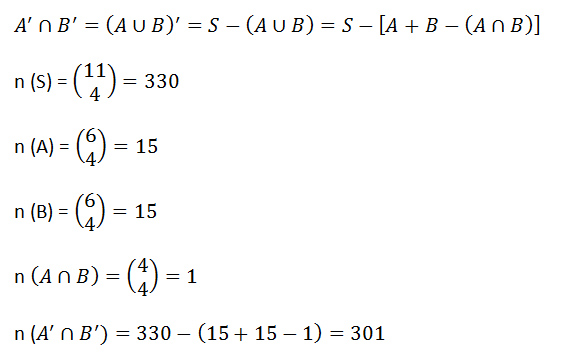
Venn diagram, Inclusion and exclusion principle can be useful in solving permutations, combinations and probability problems.

It is especially useful in solving combinations where the cases are not mutually exclusive and hence addition principle cannot be applied.

Example 1

venn diagram pnc

venn diagram p2

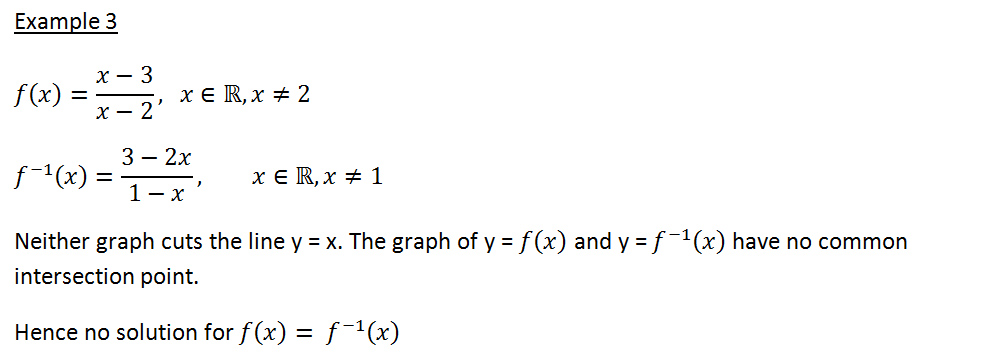
Solving function f = f inverse

f1

1

f2

2

f3

3

Tip: If we are not sure whether f and f inverse intersect, we can use the graphing calculator TI 84 plus to plot function f and f inverse together.

Y1 = “function f”

DrawInv Y1 (2nd prgm 8, alpha trace, Y1)